
How Bone Loss Affects Dental Implants (And What You Can Do About It)
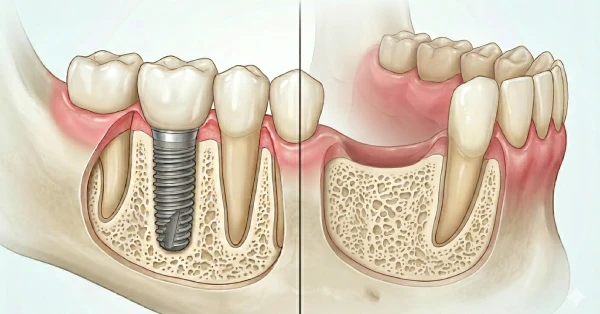
Dental implants are one of the most effective ways to replace missing teeth because they are designed to function like natural tooth roots. However, successful implant treatment depends on one important factor: having enough healthy jawbone to support the implant securely. When bone loss develops in the jaw, it can make dental implant treatment more complex and may require additional planning before implants can be placed.
Many patients are surprised to learn that bone loss often begins soon after a tooth is lost. Over time, the jawbone in that area can shrink because it no longer receives the stimulation that natural tooth roots provide. Understanding how bone loss affects dental implants can help patients seek treatment earlier and explore the right solutions for rebuilding a healthier, stronger smile.
In our previous blog, “Zygomatic Implants vs Traditional Implants: Advanced Solutions for Severe Bone Loss,” we discussed advanced implant options for patients with significant upper jawbone loss. In this article, we focus on a broader question by explaining how bone loss affects implant treatment in general and what can be done to improve your candidacy for dental implants.
Why Jawbone Health Matters for Dental Implants
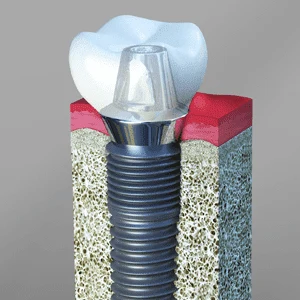
Dental implants are placed into the jawbone, where they heal and integrate with the surrounding bone tissue. This process helps create a stable foundation for a crown, bridge, or full-arch restoration. If there is not enough bone available, the implant may not have the support it needs for long-term success.
Jawbone health affects several important parts of implant treatment, including implant stability, proper placement, bite alignment, and the final appearance of the restoration. When bone loss is present, the dentist must carefully evaluate whether the implant can be placed as planned or whether additional treatment is needed first.
What Causes Bone Loss in the Jaw?
Bone loss can happen for several reasons, and it often develops gradually. Identifying the cause helps your dentist choose the best treatment approach.
-
Missing Teeth for a Long Period
When a tooth is missing and not replaced, the surrounding jawbone begins to shrink over time. This happens because the bone is no longer being stimulated through normal biting and chewing forces.
-
Gum Disease
Advanced periodontal disease can damage the gums and the bone that supports the teeth. If left untreated, this can lead to tooth loss and significant bone deterioration in the affected areas.
-
Denture Use
Traditional dentures rest on top of the gums and do not stimulate the jawbone like natural teeth or implants. Over time, patients who have worn dentures for many years may experience progressive bone loss.
-
Trauma or Injury
A dental injury, facial trauma, or infection can damage the jawbone and reduce the amount of healthy bone available for implant placement.
-
Infection or Untreated Dental Problems
Severe tooth infections, cysts, and other untreated oral health problems can affect the surrounding bone and compromise the area where an implant would normally be placed.
How Bone Loss Affects Dental Implant Treatment
Bone loss does not always mean dental implants are impossible, but it can change how treatment is planned. The more bone that has been lost, the more carefully the area must be evaluated before proceeding.
-
Reduced Implant Stability
Dental implants need a strong foundation. If the jawbone is too thin, too soft, or too shallow, the implant may not be secure enough for successful healing and long-term function.
-
Limited Implant Placement Options
Bone loss can affect where and how implants can be placed. In some cases, nearby structures such as the sinus cavity or nerves may limit placement if there is not enough bone remaining.
-
Greater Risk of Implant Failure
When an implant is placed into insufficient bone without proper preparation, the risk of poor healing or implant failure can increase. This is why treatment planning is so important in bone loss cases.
-
Changes in Facial Support and Appearance
Bone loss can affect more than the implant site alone. It may also change the contour of the gums, lips, and face, especially when multiple teeth have been missing for a long time.
Can You Still Get Dental Implants If You Have Bone Loss?
In many cases, yes. Having bone loss does not automatically rule out dental implants. Today’s implant dentistry offers several solutions that can help rebuild support or work around areas of reduced bone volume. The right option depends on how much bone has been lost, where the loss has occurred, and your overall oral health.
Some patients may still qualify for traditional dental implants with preparatory treatment. Others with more advanced bone loss may benefit from alternative approaches that are specifically designed for complex cases.
What Can Be Done About Bone Loss Before Dental Implants?
When bone loss is present, dentists may recommend additional treatment to improve implant support and create a more predictable outcome.
-
Bone Grafting
Bone grafting in Palm Desert is one of the most common ways to rebuild areas of the jaw that have lost volume. This procedure adds bone or bone-like material to the area so the body can rebuild support over time. Once healing is complete, the site may be ready for implant placement.
-
Sinus Lift Procedures
In the upper back jaw, bone loss can leave very little room for implants because of the position of the sinus cavity. A sinus lift may be recommended to create more space and improve support for implant treatment.
-
Ridge Preservation
If a tooth has recently been removed, dentists may recommend ridge preservation to help minimize bone loss right away. This can improve future implant options and protect the shape of the jawbone.
-
Advanced Implant Options
For patients with severe bone loss, advanced solutions such as zygomatic implants may be considered in certain upper jaw cases. These specialized implants anchor into stronger facial bone and may reduce the need for extensive grafting in qualified patients.
How Dentists Evaluate Bone Loss Before Implant Treatment
Before recommending implants, the dentist performs a detailed examination to evaluate bone quality, bone volume, gum health, and overall oral condition. This process may include digital imaging and three-dimensional scans to measure the available bone and identify the safest and most effective treatment approach.
A complete evaluation helps determine whether you are a candidate for traditional dental implants, whether grafting is needed, or whether another treatment option would be more appropriate. In complex cases, patients may be referred to an oral surgeon or implant dentist in Palm Desert for advanced care.
Why Early Treatment Matters
The sooner missing teeth are evaluated, the better the chance of preserving bone and simplifying treatment. Waiting too long after tooth loss can allow bone shrinkage to continue, which may increase the need for grafting or more advanced procedures later.
Seeking treatment early also helps protect nearby teeth, maintain bite alignment, and preserve the natural shape of your smile and facial structure.
How to Protect Your Bone Health and Improve Implant Success
Patients can take several steps to protect their jawbone and improve their chances of successful implant treatment.
-
Replace Missing Teeth Promptly
Replacing missing teeth sooner can help reduce ongoing bone loss and preserve the structure needed for future implants.
-
Treat Gum Disease Early
Healthy gums are essential for both natural teeth and implants. Prompt treatment of periodontal disease helps prevent further bone damage.
-
Maintain Regular Dental Visits
Routine exams allow your dentist to monitor bone health, identify concerns early, and recommend treatment before the problem becomes more severe.
-
Follow a Personalized Treatment Plan
Every case is different. Following your dentist’s recommendations for grafting, healing, implant timing, and home care can make a major difference in long-term success.
Conclusion
Bone loss can make dental implant treatment more complex, but it does not always mean you are out of options. With proper evaluation and the right treatment plan, many patients with reduced jawbone support can still become candidates for successful implant treatment. Procedures such as bone grafting, sinus lifts, and advanced implant solutions can help restore the support needed for a healthier, more confident smile.
If you have been told that you may not have enough bone for dental implants, a professional evaluation can help you understand what is possible. To learn more about dental implants in Palm Desert and the treatment options available for bone loss, call 760-340-5107 to schedule a consultation with our team.











based on 17 reviews
based on 75 reviews