
Dental Fillings in La Quinta vs Crowns: Key Differences
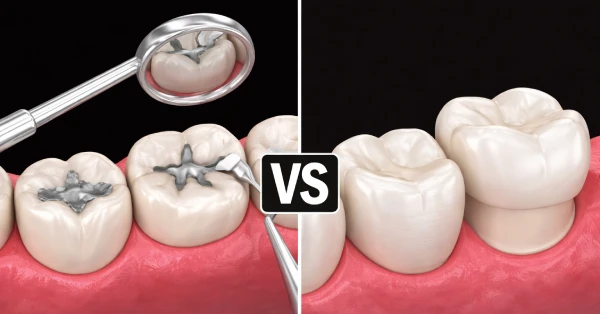
Tooth damage or decay often raises an important question for patients: should the tooth be treated with a filling, or does it need a crown? Dentists aim to preserve as much natural tooth structure as possible, but the right treatment depends on how much damage is present. Understanding the difference between dental fillings in La Quinta and dental crowns can help patients make informed decisions and prevent further dental problems.
Both treatments are designed to restore damaged teeth and protect long-term oral health. However, they serve different purposes depending on the severity of the damage, the location of the tooth, and the amount of remaining healthy tooth structure. Learning how these treatments work can help patients better understand their treatment options and maintain a healthier smile.
When Are Dental Fillings in La Quinta Recommended?
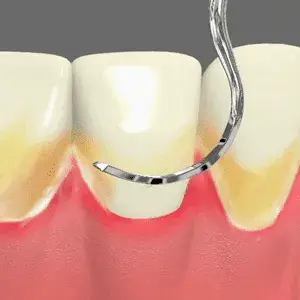
Dental fillings repair teeth that have small to moderate cavities or minor structural damage. During the procedure, the dentist removes decayed tooth material and fills the area with a durable material that restores the tooth’s shape and function.
Dental fillings are commonly recommended when:
- A cavity is detected early.
- Tooth decay is limited to a small area.
- Minor cracks or chips need repair.
- The tooth structure remains mostly intact.
The goal of dental fillings is to stop the spread of decay while preserving as much natural tooth structure as possible.
When Are Dental Crowns in La Quinta Recommended?
Dental crowns are protective caps placed over a damaged or weakened tooth. Unlike fillings, which repair only a small portion of a tooth, crowns cover the entire visible surface to restore strength, function, and appearance.
Dentists may recommend dental crowns in La Quinta when:
- A large cavity weakens the tooth structure.
- A tooth has undergone root canal treatment.
- The tooth is cracked or severely worn.
- A large filling can no longer support the tooth.
Crowns provide long-term protection and help prevent further damage.
Key Differences Between Dental Fillings and Dental Crowns
Understanding the difference between these two treatments can help patients choose the right solution for their needs.
| Feature | Dental Fillings | Dental Crowns |
|---|---|---|
| Purpose | Repair small cavities | Restore severely damaged teeth |
| Tooth Coverage | Only the damaged portion | Covers the entire visible tooth |
| Tooth Damage Level | Minor to moderate | Moderate to severe |
| Treatment Complexity | Simple procedure | More extensive restoration |
| Durability | Several years with proper care | Often longer lasting |
This comparison helps patients understand why dentists may recommend one treatment over the other.
When Might Tooth Extraction Be Necessary Instead?
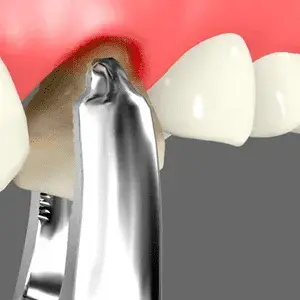
Sometimes tooth damage becomes too severe to repair with fillings or crowns. In those cases, dentists may consider tooth extraction in La Quinta to prevent infection from spreading and to protect surrounding teeth.
Extraction is usually recommended when:
- The tooth is fractured below the gumline.
- Infection has destroyed most of the tooth structure.
- Severe decay makes restoration impossible.
Dentists always try restorative treatments first, but extraction may be necessary when the tooth cannot be saved.
Why Regular Dental Checkups Matter
Routine dental visits play a critical role in preventing serious damage. During a dental check up in La Quinta, dentists can identify cavities early and treat them before they require larger restorations like crowns.
Benefits of regular dental checkups include:
- Early detection of tooth decay.
- Prevention of severe tooth damage.
- Professional cleaning to protect enamel.
- Personalized oral health guidance.
Preventive care helps patients avoid more complex treatments later.
Conclusion
Both dental fillings and crowns play important roles in restoring damaged teeth and protecting long-term oral health. Understanding the differences between these treatments helps patients make informed decisions about preserving their natural teeth. When cavities are treated early, dental fillings can stop decay and restore normal tooth function before more extensive treatments are needed.
If you are experiencing tooth sensitivity, pain, or visible damage, a professional evaluation can determine the best treatment option for your smile. Schedule a consultation with Dr. Keerthi Senthil today by calling 760-340-5107 and learn how modern restorative dentistry can help protect your teeth and maintain a healthy smile.










based on 17 reviews
based on 75 reviews