
Do You Need Bone Grafting for Dental Implants in La Quinta?
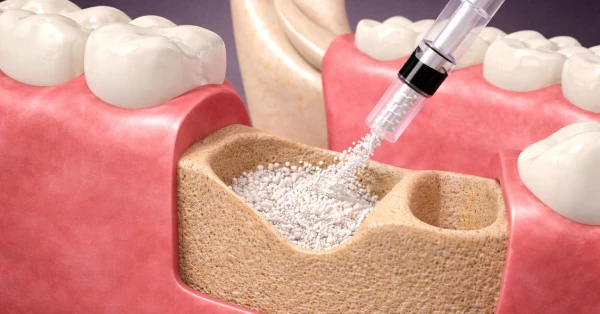
If you have been told you may need bone grafting before getting dental implants, you may feel unsure about what that means for your treatment. Many patients assume that needing bone grafting is a setback. In reality, it is often the step that makes implant placement possible and successful.
In our previous blog, “Dental Implants in Palm Desert: How Long Do They Last?”, we discussed the long-term durability of implant-supported restorations and the factors that influence their lifespan. In this article, we are focusing on what sometimes happens before implants are placed and why strengthening the jawbone can be essential for long-term results.
Why Is Bone Grafting Sometimes Needed Before Implants?
Dental implants in La Quinta require strong, healthy bone for stability. When bone volume or density is insufficient, the implant may not integrate properly. Bone grafting restores lost structure and creates a secure foundation for placement.
Here are five common reasons why bone grafting may be recommended before implant treatment.
-
Advanced Gum Disease
Periodontal disease can damage the bone that supports your teeth. If gum disease has progressed to the point of bone loss, the jaw may not provide enough support for implants.
Rebuilding the affected area through grafting improves both bone structure and long-term implant stability as part of a comprehensive implant dentistry in La Quinta treatment plan.
-
Long-Term Tooth Loss
When a tooth has been missing for an extended period, the jawbone in that area begins to shrink. Bone requires stimulation from chewing to maintain its strength. Without that stimulation, natural bone resorption occurs.
Bone grafting rebuilds the lost area, restoring volume so that the implant can be placed securely and function properly.
-
Insufficient Bone Density for Secure Placement
Even if bone height appears sufficient, density may be inadequate to hold an implant firmly. During your evaluation, digital imaging measures both thickness and strength.
When density is low, grafting strengthens the area and improves the chances of successful integration. Since this involves careful surgical planning, it may fall under oral surgery in La Quinta when more advanced reconstruction is required.
-
Previous Extraction Without Bone Preservation
After a tooth is removed, the surrounding bone naturally begins to shrink during healing. If bone preservation was not performed at the time of extraction, significant volume may be lost.
In these cases, grafting restores the area to adequate dimensions before implant placement is considered.
-
Preparing for Complex or Multiple Implants
Replacing several teeth or restoring back molars often requires additional support. Proper spacing and angulation depend on stable bone structure.
Bone grafting ensures implants are positioned correctly for both function and aesthetics. In certain cases, consultation with an experienced oral surgeon in La Quinta may be recommended to optimize surgical precision and healing.
Conclusion
Bone grafting is not a barrier to dental implants. It is often the key step that makes stable and long-lasting results possible. Whether bone loss has occurred due to tooth loss, gum disease, or natural changes over time, rebuilding the foundation ensures implants can function comfortably and securely.
If you are considering dental implants and have concerns about bone density, a professional evaluation can determine the best approach. With proper planning and expert care, bone grafting can support strong, reliable implant outcomes and restore confidence in your smile.
To learn more or schedule a consultation, call 760-340-5107 and speak with our team about whether bone grafting is right for you.









based on 17 reviews
based on 75 reviews