
Why Dental Implants Fail (And How to Ensure Success) – Insights for Patients in Palm Desert & Nearby Cities
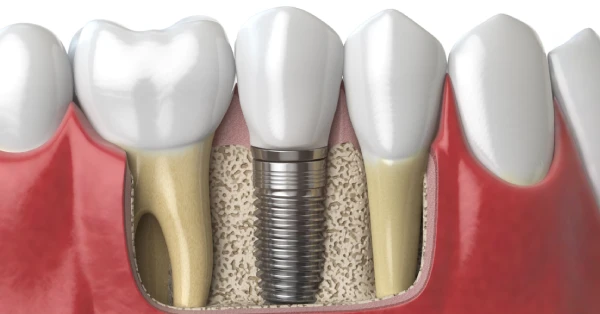
Dental implants are one of the most reliable and long-lasting solutions for replacing missing teeth. They are designed to look, feel, and function like natural teeth, making them a popular option for patients who want a stable and natural-looking smile. While dental implants have a very high success rate, there are situations where complications can occur and an implant may fail.
Understanding why dental implants fail can help patients make informed decisions before treatment and take the right steps afterward to protect their investment. For individuals considering dental implants in Palm Desert and nearby cities, learning about the common causes of implant failure and how to avoid them is an important part of achieving long-term success.
Common Reasons Why Dental Implants Fail
Dental implant failure can happen early in the healing stage or later after the implant has been functioning for some time. In many cases, the cause is linked to oral health, healing problems, or excessive pressure on the implant.
-
Poor Osseointegration
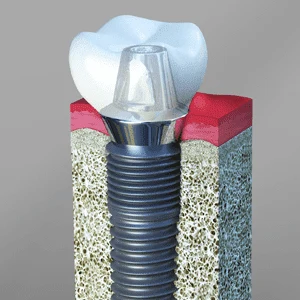
One of the most important parts of dental implant success is osseointegration, which is the process where the implant fuses with the jawbone. If the implant does not bond properly with the bone, it may become loose or fail altogether. This can happen if there is insufficient bone density, infection, or excessive movement during healing.
-
Gum Disease or Infection
Healthy gums are essential for supporting dental implants. If bacteria develop around the implant site, the surrounding tissue can become inflamed or infected. This condition, often called peri-implantitis, can damage the bone and soft tissue supporting the implant. Without prompt treatment, it may eventually lead to implant failure.
-
Insufficient Jawbone Support
Dental implants need a strong and stable foundation. If a patient has experienced bone loss due to missing teeth, gum disease, or long-term oral health issues, there may not be enough bone to support the implant securely. In some cases, bone grafting may be recommended before implant placement to improve the chance of success.
-
Smoking and Tobacco Use
Smoking can interfere with healing by reducing blood flow to the gums and bone. This makes it harder for the implant to integrate properly and increases the risk of infection. Patients who smoke may face a greater chance of complications during recovery and lower long-term implant success rates.
-
Teeth Grinding or Excess Pressure
Chronic teeth grinding, clenching, or an uneven bite can place too much force on a dental implant. Over time, this stress can damage the implant, surrounding bone, or restoration attached to it. Dentists may recommend a night guard or bite adjustment to protect the implant from excessive pressure.
-
Medical Conditions and Healing Challenges
Certain health conditions can affect the body’s ability to heal after implant surgery. Uncontrolled diabetes, immune system disorders, and some medications may increase the risk of complications. A full dental and medical evaluation helps identify these factors before treatment begins.
Early Warning Signs of Dental Implant Problems
Recognizing symptoms early can make a significant difference. Patients should contact their dentist if they notice any of the following after implant placement:
-
Persistent Pain or Discomfort
Mild soreness after implant surgery is normal, but ongoing pain that does not improve may indicate a problem with healing, infection, or implant stability.
-
Swelling That Does Not Go Away
Some swelling is expected after the procedure, but prolonged or worsening swelling may be a sign of infection or inflammation around the implant site.
-
Loose Implant or Movement
A dental implant should feel secure once healing is complete. Any movement may suggest that the implant did not integrate properly with the bone.
-
Bleeding or Gum Inflammation
Bleeding, redness, or tenderness around the implant can indicate gum irritation or infection. These symptoms should be evaluated promptly to prevent more serious complications.
How to Improve the Success of Dental Implants in Palm Desert
Although implant failure can happen, many problems are preventable with proper planning, skilled treatment, and good aftercare. Patients can improve the success of their dental implants by taking a few important steps.
-
Choose an Experienced Dental Professional
Proper implant placement is critical. Working with an experienced implant dentist in Palm Desert or oral surgeon helps ensure that the implant is positioned correctly and that your treatment plan is based on your bone structure, oral health, and long-term needs.
-
Maintain Excellent Oral Hygiene
Brushing, flossing, and keeping the implant area clean are essential for preventing infection and gum disease. Even though implants cannot get cavities, the gums and bone around them still need consistent care.
-
Attend Regular Dental Checkups
Routine dental visits allow your dentist to monitor the implant, check gum health, and identify problems before they become more serious. Professional cleanings also help reduce plaque and bacteria around the implant.
-
Follow Post-Procedure Instructions Carefully
After implant placement, patients should follow all recovery guidelines, including diet recommendations, activity restrictions, and medication instructions. Proper aftercare gives the implant the best opportunity to heal successfully.
-
Address Bone Loss or Gum Problems Before Treatment
Patients with bone loss or periodontal disease may need preparatory treatment before receiving dental implants. Treating these issues first can improve implant stability and reduce the risk of future complications.
What Happens If a Dental Implant Fails?
If a dental implant fails, the dentist will first determine the cause. In some cases, the implant may be removed, the area treated, and a new implant placed after healing. If bone loss or infection is present, additional procedures such as bone grafting may be necessary before trying again.
For patients who are not ideal candidates for a replacement implant right away, other tooth replacement options may be discussed. The right solution depends on the condition of the gums, jawbone, and surrounding teeth.
When to See an Oral Surgeon in Palm Desert
Some implant cases are more complex than others. Patients with significant bone loss, impacted teeth, sinus issues, or advanced infection may be referred to an oral surgeon in Palm desert for specialized care. Oral surgeons are trained to handle more advanced surgical procedures and can help create a safer, more predictable treatment plan.
Conclusion
Dental implants are a highly effective option for replacing missing teeth, but like any dental procedure, they require careful planning and ongoing care. Implant failure can happen due to infection, poor healing, bone loss, smoking, or excessive pressure on the implant. The good news is that many of these problems can be prevented with the right treatment approach and regular dental care.
If you are considering dental implants in Palm Desert or have concerns about an existing implant, a professional evaluation can help you understand your options and protect your oral health. For more information or to schedule a consultation, call 760-340-5107 and speak with our team about the best tooth replacement solution for your smile










based on 17 reviews
based on 75 reviews