
Bridge or Implant? A Practical Missing-Tooth Guide for Cathedral City

If you are missing a tooth, it is normal to want the most straightforward fix. But the best option is not always the same for everyone. This guide is written for people comparing dental bridges in Cathedral City with implants, and wanting real-world decision factors, not just a short service-page summary.
At Implants Guru, Dr. Keerthi Senthil (DDS, MS) helps patients across the Coachella Valley understand when a bridge is the practical choice, when implants are the better long-term plan, and what to ask before committing.
In our previous blog, "Implants or Bridge? Cathedral City and La Quinta Guide," we discussed a broad comparison. In this article, we focus on a bridge-first decision framework and the specific questions that tend to change the recommendation.
TL;DR - How Cathedral City Patients Choose Between a Bridge and an Implant
A bridge can be a smart, efficient solution when the teeth next to the gap already need crowns or when you want a fixed option without implant surgery. Implants are often preferred when adjacent teeth are healthy and you want a single-tooth replacement that does not rely on neighboring teeth.
- Bridge-first logic: a bridge can be practical when neighboring teeth need restoration anyway.
- Implant-first logic: implants often preserve adjacent teeth because they do not require crowning them.
- Bite matters: heavy bite forces and grinding can change which option is more predictable.
- Cleanability matters: the best choice is the one you can keep clean consistently.
- Ask better questions: focus on adjacent teeth, gum/bone support, and long-term maintenance.
What A Bridge Actually Replaces (And What It Relies On)
A traditional bridge replaces the missing tooth by attaching crowns to the teeth on either side of the space (called abutment teeth). The replacement tooth in the middle is supported by those crowned neighbors.
If you want a service overview, our dental bridges page explains common bridge types and goals. In this article, we are focusing on the decision points that usually matter most for missing-tooth cases.
When A Bridge Is Often The Practical Choice
- The adjacent teeth already need crowns: if a neighboring tooth is heavily filled, cracked, or already crowned, a bridge may fit naturally into the treatment plan.
- You want to avoid implant surgery: some patients prefer a non-surgical path when appropriate.
- You need a fixed solution: a bridge is cemented in and does not come out like a removable partial denture.
- You want a predictable timeline: in many cases, bridges can be completed without waiting for implant integration and restoration phases.
Dental Bridges in Cathedral City: The Three Questions That Decide Most Cases
People searching for dental bridges in Cathedral City are often already leaning toward a bridge. That can be reasonable. The key is to confirm that the bridge is being chosen for the right reasons, not just speed or familiarity.
1) Are The Teeth Next To The Gap Healthy Enough (And Worth Preparing)?
A bridge typically means reshaping the adjacent teeth for crowns. If those teeth are perfectly healthy and have never been restored, many patients prefer to keep them intact and consider an implant instead.
2) What Are Your Bite Forces Like?
Bite forces matter because they influence long-term wear, chipping risk, and how stress transfers to supporting teeth. If you clench or grind, your dentist may recommend protective strategies (like a nightguard) regardless of whether you choose a bridge or an implant.
3) Will You Be Able To Clean Under The Bridge Every Day?
Bridges can be very successful, but they require consistent cleaning under the replacement tooth area. If dexterity, gag reflex, or daily routine makes that unrealistic, you should discuss alternatives that may be easier for you to maintain.
When Dental Implants May Be The Better Long-Term Choice
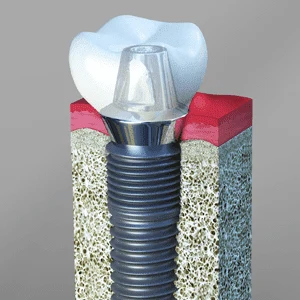
Many patients in the Coachella Valley compare bridges to implants because they want a replacement that functions like a standalone tooth. An implant can replace the missing tooth without using adjacent teeth as anchors.
If you are actively considering this route, start with our overview of dental implants in Cathedral City and nearby communities to understand the concept and how implants restore function.
Situations Where Implants Often Make Sense
- The adjacent teeth are healthy: you may be able to avoid crowning them.
- You want a single-tooth solution: implants can be restored with a crown that is cleaned like a tooth.
- You are replacing multiple missing teeth: implants can sometimes support bridges or implant-supported dentures depending on your needs.
Bridge vs Implant vs Denture: Keep The Comparison Focused
Some patients start by comparing a bridge to an implant, then realize a removable option might fit their budget or comfort goals. If you want a deeper comparison across all three, our team covered this in "Dental Implants vs Bridges vs Dentures: Long-Term Cost & Benefits Comparison."
What To Ask At Your Consultation (Copy/Paste Checklist)
- What condition are the teeth next to the gap in? Would they benefit from crowns anyway?
- How will I clean this every day? Can you show me the tools and technique?
- What happens if one supporting tooth has a problem later?
- How does my bite affect your recommendation? Do I show signs of clenching/grinding?
- What is the long-term maintenance plan? What checkups are needed and what issues are most common?
A Clinical Observation From Our Team
In our experience, patients feel most satisfied with their choice when the decision is based on adjacent-tooth health and cleanability, not just speed. The option you can keep stable and clean tends to be the option that serves you best over time.
FAQs
Related Reading
- Dental bridges overview
- Dental implants overview
- Dental implant consultation
- Implants vs bridges vs dentures comparison
- How bridges help prevent tooth shifting
Conclusion: Choose The Option That Protects Your Neighboring Teeth And Your Routine
A bridge can be a very reasonable solution for missing teeth when it fits the condition of the teeth next door and you can keep it clean. If your neighboring teeth are healthy and you want a standalone replacement, an implant may be the better long-term direction. The right answer depends on your bite, hygiene access, and the current condition of the surrounding teeth and gums.
Schedule A Bridge Or Implant Consultation
If you are comparing dental bridges in Cathedral City with implants and want a clear recommendation based on adjacent teeth, bite forces, and cleanability, call Implants Guru at 760-340-5107 to schedule a consultation.










based on 17 reviews
based on 75 reviews