
Dental Implants vs Bridges vs Dentures: Long-Term Cost & Benefits Comparison
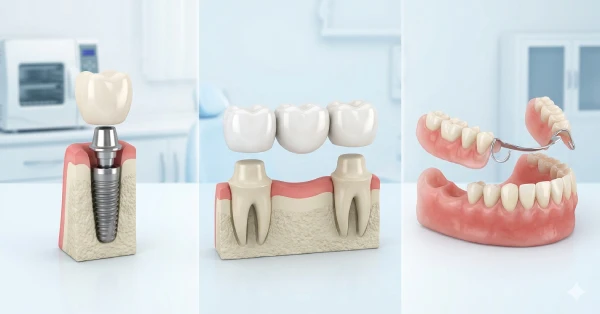
Missing teeth can affect much more than your smile. They can change the way you chew, speak, and feel about your appearance. They may also lead to shifting teeth, jawbone loss, and additional oral health problems over time. Fortunately, modern dentistry offers several reliable tooth replacement options, including dental implants, bridges, and dentures. Each solution has its own benefits, limitations, and long-term cost considerations.
For many patients, the biggest question is not only which treatment costs less at the beginning, but which option offers the best long-term value. Understanding how dental implants, bridges, and dentures compare can help you make a more informed decision based on your health, lifestyle, and future goals.
In our previous blog, “How Bone Loss Affects Dental Implants (And What You Can Do About It),” we explained why strong jawbone support plays an important role in successful implant treatment. In this article, we compare three of the most common tooth replacement options by looking at long-term cost, durability, comfort, maintenance, and overall benefits for patients considering treatment in Palm Desert.
Why Replacing Missing Teeth Matters
When a tooth is missing, the surrounding teeth and supporting structures can begin to change. Nearby teeth may shift into the empty space, the bite can become uneven, and the jawbone in that area may begin to shrink. Replacing missing teeth helps restore function, support oral health, and improve the appearance of your smile.
Choosing the right option depends on several factors, including the number of missing teeth, the condition of the surrounding teeth and gums, jawbone health, budget, and long-term expectations.
What Are Dental Implants?
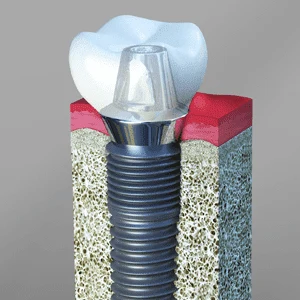
Dental implants in Palm Desert are artificial tooth roots placed into the jawbone to support a crown, bridge, or full-arch restoration. They are designed to function like natural teeth and can provide a secure, long-lasting solution for one or more missing teeth.
Because implants are placed into the bone, they help support jawbone health and do not rely on neighboring teeth for support. This makes them one of the most advanced tooth replacement options available.
What Are Dental Bridges?
A dental bridge replaces one or more missing teeth by attaching an artificial tooth to the natural teeth or crowns on either side of the gap. Bridges are a common fixed option for patients who want to restore appearance and function without removable appliances.
Traditional bridges rely on adjacent teeth for support, which means those teeth often need to be reshaped to hold crowns. While bridges can be very effective, they do not replace the root of the missing tooth and do not stimulate the jawbone underneath the gap.
What Are Dentures?
Dentures are removable appliances used to replace several missing teeth or a full arch of teeth. They can restore basic appearance and function and are often considered when multiple teeth are missing.
Some dentures are partial, replacing only several missing teeth, while full dentures replace an entire upper or lower arch. Dentures can be a practical solution for certain patients, but they may require periodic adjustments as the shape of the gums and jaw changes over time.
Comparing Long-Term Cost: Implants vs Bridges vs Dentures
The initial cost of treatment is important, but it is only one part of the decision. Long-term value depends on how long the restoration lasts, whether it protects surrounding teeth and bone, and how much maintenance or replacement may be needed over time.
-
Dental Implants
Dental implants often have a higher upfront cost than bridges or dentures because they involve surgery, healing time, and custom restoration work. However, they can offer excellent long-term value because they are designed to be stable, durable, and independent from surrounding teeth. With proper care, implants may reduce the need for future replacements or repairs compared with other options.
-
Dental Bridges
Bridges usually cost less initially than implants, especially when replacing a single missing tooth. However, bridges may need to be replaced after years of wear, and the supporting teeth may become more vulnerable to decay, damage, or future dental treatment. Over time, these added needs can increase the overall long-term cost.
-
Dentures
Dentures often have the lowest initial cost, which makes them appealing for patients seeking a more affordable starting option. However, dentures may require relining, repairs, or replacement as the gums and jawbone change. Over time, repeated adjustments and reduced chewing efficiency may affect both comfort and value.
Comparing Durability and Longevity
-
Dental Implants
Dental implants are known for their durability and stability. Because they integrate with the jawbone, they are often considered one of the most long-lasting tooth replacement options when placed and maintained properly.
-
Dental Bridges
Dental Bridges in Palm Desert can last many years with good care, but they are still dependent on the health of the teeth supporting them. If one of those teeth develops decay, gum problems, or structural damage, the bridge may need repair or replacement.
-
Dentures
Dentures can be effective, but they typically experience more wear over time and may need adjustments as the mouth changes. Since dentures rest on the gums rather than being anchored in bone like implants, they may become less stable as bone loss continues.
Comparing Comfort and Everyday Function
One of the most important parts of any tooth replacement treatment is how it feels during everyday life.
-
Dental Implants
Implants are often the closest option to natural teeth in terms of feel and function. They remain fixed in place, allow strong biting and chewing, and do not shift during speaking or eating.
-
Dental Bridges
Bridges also remain fixed in the mouth, which can make them feel more natural than removable appliances. Many patients find them comfortable and convenient for replacing one or a few missing teeth.
-
Dentures
Dentures can improve appearance and basic chewing function, but some patients find them less secure than fixed options. They may move while eating or speaking, and some patients need time to adjust to wearing them comfortably.
Comparing Oral Health Benefits
Tooth Replacement in Palm Desert is not only about appearance. It also affects the health of your gums, bone, and remaining teeth.
-
Dental Implants Help Preserve Bone
Because implants replace the root of the missing tooth, they provide stimulation to the jawbone and can help reduce bone loss. This is an important long-term benefit that bridges and traditional dentures do not offer.
-
Bridges Rely on Nearby Teeth
Bridges can restore a missing tooth effectively, but they require support from neighboring teeth. This may place additional stress on those teeth and may require the removal of healthy tooth structure.
-
Dentures Do Not Prevent Bone Loss
Traditional dentures replace visible teeth, but they do not stimulate the underlying jawbone. Over time, continued bone loss may affect fit, facial support, and overall stability.
Which Option Is Easier to Maintain?
-
Dental Implants
Implants are cared for much like natural teeth, with regular brushing, flossing, and dental visits. They do not need to be removed for cleaning, which many patients find convenient.
-
Dental Bridges
Bridges also remain in place, but cleaning under and around them may require special flossing tools or techniques to keep the area healthy.
-
Dentures
Dentures must be removed and cleaned regularly. They also require proper storage and ongoing adjustments to maintain fit and comfort.
Who May Be a Good Candidate for Each Option?
-
Dental Implants
Implants may be ideal for patients who want a stable, long-term solution and have enough healthy bone and gum support. They are often recommended for patients looking for a natural feel and strong function.
-
Dental Bridges
Bridges may be a good option for patients missing one or a few teeth who prefer a fixed restoration and have healthy adjacent teeth that can support treatment.
-
Dentures
Dentures may be appropriate for patients missing many teeth or a full arch, especially when a removable option is preferred or when other restorative treatments are not currently the best fit.
How Dentists Help You Choose the Right Tooth Replacement Option
Choosing between implants, bridges, and dentures requires a careful evaluation of your oral health, medical history, bone support, number of missing teeth, and long-term goals. A dental examination and digital imaging can help determine which option offers the best balance of function, cost, and long-term benefit.
In some cases, a patient may start with one treatment option and later transition to another as their needs change. The most appropriate solution is the one that fits both your current condition and your long-term oral health.
Conclusion
Dental implants, bridges, and dentures each offer important benefits, but they differ significantly in long-term cost, durability, comfort, and impact on oral health. Dental implants often provide the greatest long-term stability and bone support, while bridges can be an effective fixed solution for certain cases, and dentures may offer a practical option when replacing multiple teeth.
The best choice depends on your individual needs, budget, and treatment goals. If you are exploring tooth replacement options and want to understand which solution may offer the best long-term value for your smile, a professional consultation can help guide the decision. To learn more about dental implants, bridges, or dentures in Palm Desert, call 760-340-5107 to schedule an appointment with our team.







based on 17 reviews
based on 75 reviews