
How Dental Bridges in La Quinta Prevent Tooth Shifting
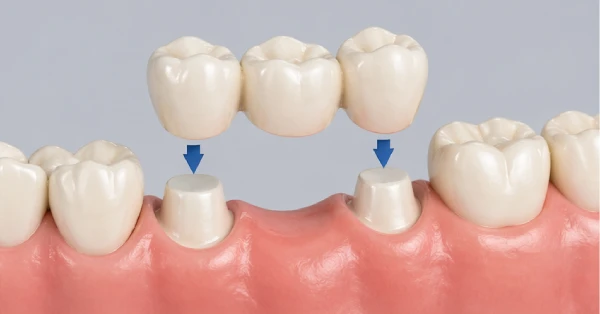
Losing a tooth can affect more than just your smile. When a gap is left untreated, the surrounding teeth may gradually begin to shift out of place. This movement can change the way your teeth fit together, affect how you chew, and create new areas where plaque and food can collect. That is why replacing a missing tooth is often important not only for appearance, but also for protecting long-term oral health.
In our previous blog, �What Are Dental Bridges and Crowns? What Is the Difference Between Dental Crowns and Dental Bridges?�, we discussed the roles these restorations play in protecting and restoring your smile. In this article, we take a closer look at how dental bridges help prevent tooth shifting after tooth loss and why timely treatment can help avoid future dental problems.
How Dental Bridges Help Prevent Tooth Shifting After Tooth Loss
Here are five important ways a bridge can help prevent teeth from shifting out of place after tooth loss:
-
Nearby Teeth Can Drift Into the Empty Space
Teeth are designed to stay in proper alignment and support one another. When one tooth is missing, the neighboring teeth may slowly begin to lean or move into the open space. Even a small movement can gradually affect the way your teeth line up.
That is one reason many patients consider dental bridges in La Quinta after losing a tooth. A bridge fills the gap and helps keep nearby teeth in their proper position.
-
Tooth Shifting Can Change the Way Your Bite Fits Together
When teeth begin to move, the way your upper and lower teeth meet can also start to change. A shifted bite may feel uneven and can place extra pressure on certain teeth.
Replacing the missing tooth can help maintain proper spacing and support a more even bite. In many cases, the supporting teeth for a bridge are restored with dental crowns in La Quinta to hold the bridge securely in place.
-
Shifting Teeth Can Make Chewing Feel Uneven
As teeth drift out of alignment, chewing may start to feel different or less comfortable. Some patients begin favoring one side of the mouth without even realizing it because the bite no longer feels balanced.
A bridge helps restore the missing space so teeth are less likely to move in ways that interfere with normal chewing. Depending on the treatment plan, porcelain crowns in La Quinta may be used as part of the final restoration for a natural-looking result.
-
Tooth Shifting Can Create Harder-to-Clean Areas
When teeth move into spaces they were not meant to occupy, they can create tight angles and uneven gaps that are harder to clean properly. This can make brushing and flossing less effective over time.
In some cases, a tooth may still be preserved before it is lost, especially if the problem is found early and treated with conservative care such as dental fillings in La Quinta. Preventing tooth loss in the first place is one of the best ways to avoid unwanted shifting.
-
Replacing a Missing Tooth Early Helps Maintain Alignment
The longer a gap remains open, the more opportunity nearby teeth have to move. What starts as a single missing tooth can gradually affect the alignment of surrounding teeth and contribute to bigger bite changes later.
By replacing the gap early, a dental bridge helps maintain spacing and supports a more stable tooth position. This can help protect both function and long-term oral health.
Conclusion
A missing tooth may not seem urgent at first, but leaving that space open can lead to gradual changes that affect your bite, comfort, and overall oral health. Dental bridges do more than improve the look of your smile. They also help keep surrounding teeth in place, restore everyday function, and reduce the risk of future problems.
If you are missing a tooth and want to protect your smile from shifting teeth and added complications, now is a good time to schedule an evaluation. Call 760-340-5107 to learn whether a dental bridge may be the right option for you.










based on 17 reviews
based on 75 reviews