
Do You Need a Bone Graft Before Dental Implants? A Decision Guide
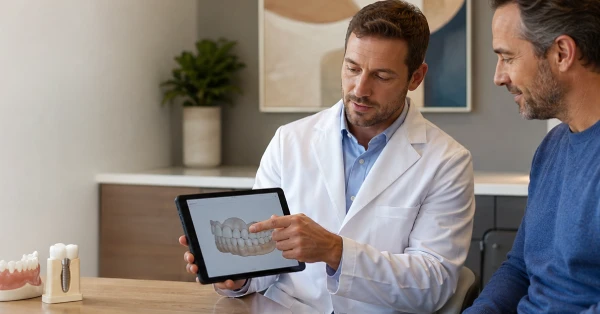
If you are planning dental implants and someone mentions you may need a bone graft, it can feel like a surprise step on the way to getting your smile back. The truth is that bone grafting is often a planning decision, not a setback. It is one of the ways a team creates a stable foundation so an implant can be placed safely and supported long term.
This guide is written for patients comparing options for a bone graft in Cathedral City and nearby communities, including La Quinta, Palm Springs, and Yucca Valley. It focuses on the decision points: signs that bone loss matters, what graft options can accomplish, and what to ask at your implant consultation.
At Implants Guru, Dr. Keerthi Senthil and our team commonly see patients who have lived with a missing tooth for years and did not realize that the jawbone can shrink in that area over time. Understanding that relationship is the first step to making confident choices.
TL;DR - How To Tell If Bone Grafting May Be Part of Your Implant Plan
A bone graft may be recommended when your jawbone is not thick or tall enough to support an implant in the right position. You cannot diagnose this at home, but you can recognize common patterns that increase the odds of needing grafting.
- Common reasons: long-term missing teeth, prior gum disease, or denture wear that accelerated bone loss.
- Not all grafts are the same: ridge preservation, ridge augmentation, and sinus grafts each address different anatomy.
- The goal is stability: enough bone for safe placement and long-term implant support.
- Imaging decides: an exam and scans help measure bone height/width and plan precisely.
- Bring questions: ask about alternatives, timing, and what success looks like for your case.
Why Bone Matters for Dental Implants
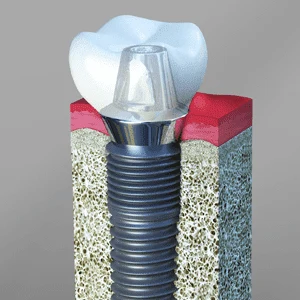
A dental implant needs adequate bone around it to stay stable while healing and to handle daily bite forces afterward. When bone is thin, soft, or uneven, an implant can be harder to place in an ideal position. That can affect function, comfort, and long-term maintenance.
If you are still early in the planning stage, our dental implants page provides a broader overview of implant care and how treatment planning works.
Signs You Might Need a Bone Graft Before Implants
There is no single symptom that proves you need grafting. However, these situations commonly correlate with bone loss that can impact implant placement:
- You have been missing a tooth for a while: bone tends to shrink where a tooth root is no longer present.
- You were told you have gum disease or bone loss: periodontal disease can reduce bone support around teeth.
- Your denture feels increasingly loose over time: that can happen as the ridge changes shape.
- You notice a sunken or uneven gum ridge where a tooth is missing.
- You had a difficult extraction or infection at the tooth site in the past.
If any tooth or gum problem is currently painful or swollen, it is important to address it first. For urgent symptoms, review our emergency dentistry guidance on what to do next.
Bone Grafting Options: What They Aim To Do
The best way to think about grafting is that it is a site-building procedure. It helps rebuild or preserve the shape and volume of the jawbone so the implant has the support it needs.
Ridge Preservation (Often After an Extraction)
If a tooth is being removed and an implant is planned, a dentist may recommend placing graft material in the socket to help maintain the ridge shape. This can reduce the amount of collapse that happens during healing.
Ridge Augmentation (Building Width or Height)
When the ridge is too narrow or too short, grafting may be used to add volume so an implant can be placed in a safer, more ideal position.
Sinus Graft (Upper Back Teeth Area)
A sinus graft is used in the upper jaw when the sinus area leaves limited bone height for implant placement. A sinus graft in this region can create the additional support needed under the sinus for a stable implant plan.
What a Bone Graft in Cathedral City Is Really For (And What It Is Not)
When patients search for a bone graft in Cathedral City, the intent is usually: "Will this help me qualify for implants?" In most cases, yes, that is the purpose of grafting. But it is also important to be clear on expectations.
- It is for: creating enough bone volume for implant stability and safer placement.
- It is not: a cosmetic gum procedure (although rebuilding the ridge can improve support under the gums).
- It is not automatically required: some patients have enough bone and do not need grafting at all.
Decision Points: When You Should Ask About Alternatives
Bone grafting is a common and useful tool, but it should still be a deliberate choice. Here are a few decision points to discuss with your dentist:
- How much bone is missing? Small deficiencies may be handled differently than significant loss.
- Is the graft needed for safety or for ideal positioning? This helps you understand the "why."
- Can the implant be placed the same day as the graft? Sometimes it can, sometimes it is better to stage it.
- Are there non-implant alternatives that fit your goals? In some cases, a bridge may be an option. Our dental bridges page can help you understand that route.
- How does your bite and overall oral health affect the plan? Implant success is not just about bone quantity; it is also about stability and long-term maintenance.
Key Questions To Ask at Your Implant Consultation
Whether you are coming from Palm Springs for a bone graft evaluation or you live closer to La Quinta or Yucca Valley, these questions keep the conversation practical and specific:
- What did you see on my imaging that makes grafting necessary?
- Which type of graft are you recommending, and why?
- What is the timeline from graft to implant (or to final teeth)?
- What are the main risks in my specific case, and how do we reduce them?
- How should I care for the area while it heals?
If you want to understand how your care may be planned from the start, our dental implant consultation page explains what a consultation is designed to accomplish.
Local Notes for Patients in La Quinta, Palm Springs, and Yucca Valley
Search results for "bone graft in La Quinta," "bone graft in Palm Springs," or "bone graft in Yucca Valley" often lead to pages that focus on the procedure itself. What many patients really want is a decision guide: whether grafting applies to them and what the next step looks like.
If you are comparing offices, prioritize a team that can clearly explain your imaging findings, outline options, and connect those options to your specific implant goals (single tooth, multiple teeth, or full-arch planning).
Comfort and Anxiety: Planning for a Smoother Visit
If the idea of surgery makes you nervous, bring it up early. In our experience, patients feel more at ease when they understand the plan and have a comfort strategy in place before the appointment day.
You can learn about comfort options on our sedation dentistry page.
FAQs
Related Reading
- Bone and sinus grafting before dental implants
- Dental implants
- Oral surgery
- Dental implant consultation
- Contact
Conclusion: A Bone Graft Can Be the Step That Makes Implants Possible
If you are trying to figure out whether you need grafting before implants, focus on the decision points: how much bone you have today, what the graft is intended to change, and whether the plan supports safe placement and long-term stability. With a clear explanation and the right imaging, the choice becomes much less confusing.
Schedule Your Implant and Bone Graft Evaluation
If you are exploring a bone graft in Cathedral City or you are coming from La Quinta, Palm Springs, or Yucca Valley for implant planning, our team can help you understand your options and next steps. Call Implants Guru at 760-340-5107 to schedule a consultation.








based on 17 reviews
based on 75 reviews