
Fixing Chips And Gaps Without Veneers: When Cosmetic Bonding Makes Sense In La Quinta
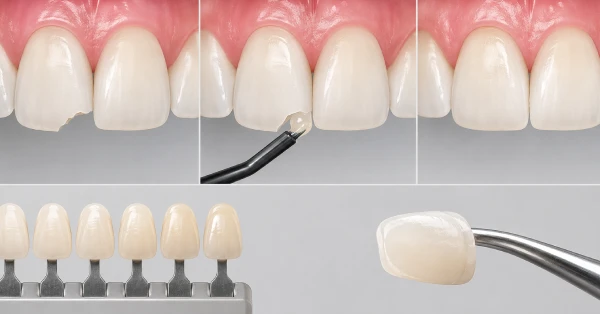
If you have a small chip, a narrow gap, or an uneven edge that shows every time you smile, you may be wondering if veneers are your only real option. The good news is that cosmetic bonding in La Quinta can be a practical, conservative way to improve your smile when the changes are modest and the tooth structure is healthy.
At Implants Guru, Dr. Keerthi Senthil and our team help patients compare bonding and veneers based on the specific tooth, your bite, and the look you want, not a one-size-fits-all makeover. We also see many patients traveling from Cathedral City who want a straightforward cosmetic solution with a clear plan for how to keep it looking good.
TL;DR - Bonding Is Great for Small Fixes, Not Big Reinventions
Bonding can be a smart first step for chips, small gaps, and minor shape improvements, especially when you want a conservative approach before committing to veneers.
- Best for: small chips, small gaps, uneven edges, and minor shape corrections.
- Not ideal for: heavy bite wear, large repairs, or major color change needs.
- Longevity: bonding can last years, but it may need touch-ups as it wears.
- Staining: resin can stain more than porcelain, so habits matter.
- Decision tip: if you want multiple teeth to match perfectly and stay stain-resistant, veneers may be the better fit.
What Cosmetic Bonding Can Fix (And Why It Is Popular)
Cosmetic bonding uses tooth-colored composite resin that is shaped and polished directly on the tooth. It is often chosen because it can be conservative, efficient, and cost-conscious compared to larger cosmetic restorations. In cosmetic dentistry, bonding is commonly used for:
- Chipped or worn edges on front teeth
- Small gaps between teeth (diastema closure when appropriate)
- Minor shape corrections (teeth that look short, uneven, or slightly misshapen)
- Small areas of discoloration that do not respond well to whitening
- Covering small defects in enamel
If you are exploring broader smile improvements, our cosmetic dentistry options page explains additional treatments that can be combined with bonding when needed.
When Cosmetic Bonding in La Quinta Makes Sense (And When It Does Not)
The "right" treatment depends on what you want to change and how your teeth function. Bonding tends to make the most sense when the tooth is structurally sound and the change is relatively small. Here is a practical way to think about it:
Bonding Often Makes Sense If
- You have a small chip and want it smoothed and blended in.
- You want to close a small gap without orthodontics.
- You want a trial smile change before committing to veneers.
- You prefer a conservative approach that typically removes little to no enamel.
Bonding May Not Be the Best Fit If
- You have significant bite forces or a history of frequent chipping.
- You want a major color change across multiple front teeth.
- The tooth needs large structural repair (a crown may be more protective).
- You are aiming for a highly uniform, "full makeover" look across many teeth.
Bonding vs Veneers: How Patients Usually Decide
People searching for a cosmetic dentist in La Quinta are often weighing veneers because they have heard veneers are the "fastest" cosmetic fix. Veneers can be an excellent option, but they are not always necessary for smaller concerns. Here is a patient-friendly comparison:
Veneers Can Be Better For
- More dramatic shape changes across several teeth
- Consistent smile color when multiple teeth are darker or heavily stained
- Stain resistance (porcelain typically resists staining better than resin)
- Long-term cosmetic planning when you want a uniform, designed result
Bonding Can Be Better For
- Smaller single-tooth concerns like a chip on a front tooth
- Minor asymmetry (for example, one tooth edge looks shorter)
- Conservative treatment planning where preserving enamel is a priority
- Touch-ups and refinements rather than a full redesign
If veneers are part of the discussion for your smile goals, you can also review our information on dental veneers to understand what they change and what maintenance looks like.
How Long Does Bonding Last, And What Makes It Fail?
Bonding can last for years, but it is not "set it and forget it." It can chip, wear down, or stain, especially on the biting edge of front teeth or on teeth that do a lot of chewing work. Durability depends on:
- Bite and grinding: clenching or grinding can shorten lifespan.
- Where the bonding is placed: edges and corners take more stress.
- Oral habits: chewing ice, biting nails, or opening packages with teeth increases risk.
- Staining foods and tobacco: resin can discolor over time.
- Maintenance: regular cleanings and occasional polishing help keep the surface smooth.
Staining and Shine: What to Expect With Coffee, Tea, and Wine
Patients often ask whether bonding stays bright. Composite resin can stain more than porcelain. It can also lose surface gloss if it becomes rough or micro-scratched. The good news is that you can usually protect your results with simple steps:
- Rinse with water after dark beverages when you can.
- Use a soft toothbrush and non-abrasive toothpaste.
- Avoid smoking or vaping (tobacco is a major stain source).
- Schedule routine cleanings so we can remove buildup and polish where appropriate.
If your main goal is brighter teeth, you may also want to explore teeth whitening options first, then match bonding to your new shade when clinically appropriate.
What a Bonding Visit Typically Looks Like
While every case is different, bonding is usually planned around three priorities: a clean surface, a strong bond, and a natural-looking shape and polish. A typical appointment includes:
- Evaluating the tooth and your bite (this is key for front-tooth chips)
- Choosing a shade that blends with your surrounding enamel
- Preparing the surface and placing the resin in layers
- Shaping the tooth so it looks symmetrical and feels comfortable
- Polishing for a smooth finish that reflects light naturally
Experience note: Our team often finds that the biggest difference between "okay" bonding and "wow" bonding is not the material, it is the finishing steps. Careful shaping and polishing can make the repair disappear in normal conversation distance.
Choosing a Cosmetic Dentist for Bonding: What to Look For
Whether you are researching cosmetic dentistry in La Quinta or comparing offices in Cathedral City, focus on the planning details. The goal is not only to make the tooth look better today, but to make the shape stable and easy to maintain. Consider asking:
- How will bonding affect the way my teeth touch when I bite?
- Will the bonded area be on the edge of my bite (higher chip risk)?
- How should I care for bonding to reduce staining and wear?
- If it chips later, can it be repaired?
You can learn more about our practice and approach on our About page, and reach out through our Contact page if you want to discuss whether bonding or veneers make the most sense for your goals.
FAQs
Cosmetic bonding is not considered permanent. The resin can last for years with good habits, but it can chip or stain over time and may need repair or replacement. During an exam, we can estimate risk based on your bite and where the bonding will be placed.
Yes, when it is planned carefully and shaded to match your enamel. The final look depends on the size of the repair, the tooth color, and the shaping and polishing. If you want a very uniform look across multiple front teeth, veneers may provide more consistency.
Bonding can often close small gaps by adding a thin layer of resin to one or both teeth. Larger gaps may need orthodontic movement or veneers for the most stable, symmetrical result. We also evaluate gum health and bite so the result looks natural and cleans easily.
Bonding material can pick up stains more easily than porcelain. Polishing helps, and habits like rinsing with water after dark beverages and avoiding tobacco can reduce discoloration. If staining is your top concern, ask about whitening first or porcelain options such as veneers.
Veneers can be a better option for larger shape changes, more significant discoloration, multiple teeth that need consistent color, or when you want a more stain-resistant material like porcelain. We can walk you through both options so you understand the tradeoffs before deciding.
Related Reading
- Cosmetic dentistry options
- Dental veneers
- Teeth whitening
- Tooth-colored fillings and conservative restorations
- Meet Dr. Keerthi Senthil
Conclusion: A Smart, Conservative Smile Upgrade (When the Case Fits)
Bonding is not a shortcut or a "lesser" treatment, it is simply the right tool for certain smile concerns. If your goal is to fix a small chip, soften an uneven edge, or close a modest gap, bonding can deliver a natural improvement while keeping treatment conservative. If you want a bigger redesign, longer stain resistance, or a consistent look across multiple teeth, veneers may be worth the investment.
Schedule a Smile Consultation
If you are comparing bonding and veneers and want a clear plan based on your teeth, our team at Implants Guru can help you choose confidently. To schedule a visit, call 760-340-5107 or request an appointment through our contact page.









based on 17 reviews
based on 75 reviews