
What Changes With Complete Dentures: Fit, Comfort, and Eating

Replacing all of your teeth is a big change, even if you have worn dentures before. If you are comparing options for complete dentures in Cathedral City, the most helpful thing to know is that the experience is not just about how dentures look. Fit, comfort, and eating all change, and they can change again over time as your mouth heals and adapts.
At Implants Guru, Dr. Keerthi Senthil (DDS, MS) helps patients across Cathedral City, Palm Desert, and Desert Hot Springs understand what is normal, what is fixable, and when a different solution may be more comfortable.
TL;DR - The Real-World Complete Denture Learning Curve
Complete dentures are a removable, full-arch tooth replacement. The biggest improvements usually come from the right fit, timely adjustments, and learning new chewing habits. If lower denture looseness becomes a constant struggle, implant support may be the next step.
- Fit changes early: healing gums can create sore spots that need adjustments.
- Stability is different: upper dentures often suction better than lower dentures.
- Eating is a skill: start soft, take smaller bites, and chew evenly on both sides.
- Adhesive is a helper: it should not be the only thing keeping dentures in place.
- Long-term changes are normal: relines or remakes are common as the mouth changes.
Complete Dentures vs. Partial Dentures: What Changes When All Teeth Are Replaced?
People who have had partial dentures often assume complete dentures will feel similar. The biggest difference is how the denture is supported. Partials can use remaining natural teeth for support, while complete dentures rely on the shape of the gums and underlying bone.
If you are still deciding between types, our dentures page explains complete and partial options at a higher level.
Practical Differences Patients Notice
- More coverage: complete dentures cover more gum tissue, which can feel bulky at first.
- Different bite forces: chewing pressure is distributed through the denture base, not natural teeth.
- More reliance on muscle control: cheeks, tongue, and lips help stabilize dentures while you talk and eat.
- Lower arch challenges: the tongue and floor of the mouth can make lower dentures harder to keep stable.
Complete Dentures in Cathedral City: Why Fit Changes Over Time
When you search for complete dentures in Cathedral City, you are usually looking for a solution that feels secure and lets you eat comfortably. One key expectation: even well-made dentures can need changes over time because your mouth changes.
The Early Phase: Healing and Sore Spots
In the first days and weeks, the gums can be tender and swelling can shift. That can create pressure points that feel like sharp rubbing. This is one of the most common reasons new denture wearers feel discouraged early on.
Our team often sees that patients do best when they schedule timely adjustment visits rather than trying to "tough it out" with persistent sore spots. Small adjustments can make a big difference in comfort.
The Long Phase: Natural Bone and Gum Changes
Over months and years, the jawbone under a complete denture can gradually change shape. As that happens, you may notice more movement, food trapping, or a bite that feels off. This is where a denture reline or remake may be recommended after an exam.
Comfort Tips That Actually Help (Without Guesswork)
Dentures should not cause ongoing pain. A little learning curve is normal, but frequent sores or rubbing are signs the fit needs attention.
If You Are Getting Sore Spots
- Do not self-adjust: trimming at home can make the fit worse.
- Wear them to your adjustment visit: it helps us see the pressure areas.
- Rinse after meals: removing trapped food reduces irritation.
- Ask about relines: if the base no longer matches your gums, relining can improve comfort.
Speaking Changes: Why They Happen and How to Adapt
Dentures change how your tongue meets the roof of your mouth and how air flows around the teeth. Mild lisping is common at first and often improves with repetition.
- Read out loud for a few minutes a day.
- Practice tricky words slowly, then at normal speed.
- If clicking is constant, the bite or border may need adjustment.
Eating With Complete Dentures: A Step-By-Step Strategy
Eating is usually the biggest day-to-day change. The goal is to learn a chewing pattern that keeps the denture stable and avoids tipping.
Start With Foods That Build Confidence
- Soft proteins: eggs, fish, tofu, shredded chicken.
- Easy fruits/vegetables: bananas, avocado, cooked vegetables.
- Moist grains: oatmeal, rice, soft pasta.
Chewing Techniques That Reduce Lifting
- Take smaller bites than you used to.
- Chew on both sides at the same time when possible to balance forces.
- Go slow with tough foods (steak, crusty bread) and cut them into small pieces.
- Avoid biting straight into very hard items with front teeth at first (for example, whole apples).
Where Denture Adhesive Fits In (And When It Is a Red Flag)
Denture adhesive can be useful for added confidence, especially in social situations or during the learning phase. It can also help reduce minor food seepage under the edges.
If you find that you need more and more adhesive just to get through meals, it is worth scheduling a denture fit check. Increasing reliance on adhesive can signal that the denture base no longer matches your gums.
When Lower Dentures Keep Slipping: When Implant Support Becomes Relevant
Lower complete dentures are often the toughest to stabilize because there is less surface area for suction and the tongue is constantly moving. If you are doing everything right and still cannot keep the lower denture stable, it may be time to talk about options that anchor the denture.
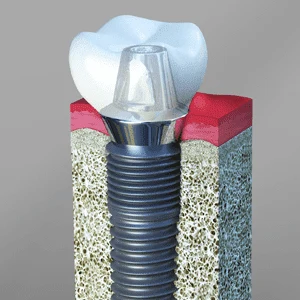
One common next step is implant-supported dentures, which can improve stability for many patients who feel limited by a traditional lower denture.
For patients looking for the most secure, non-removable option, our site also explains lower implant supported snap-on denture solutions (a way some patients improve retention and confidence).
A Clinical Observation From Our Team
In our experience, the biggest quality-of-life jump with complete dentures often comes from two things patients can control: not ignoring sore spots (get them adjusted early), and practicing a gradual eating plan instead of forcing the denture to handle "normal" foods on day one.
A Simple Complete Denture Care Checklist
- Rinse after meals to reduce food trapping and odor.
- Brush the denture daily with a denture brush and non-abrasive cleaner.
- Clean your gums and tongue gently to remove plaque and stimulate circulation.
- Soak as directed to help prevent warping and reduce bacterial buildup.
- Schedule fit checks if you notice rubbing, rocking, or changes in bite.
FAQs
Related Reading
- Dentures services (complete and partial)
- Implant-supported dentures
- Dental implants
- General anesthesia information
- Emergency dentistry
Conclusion: Expect Changes, But Do Not Settle for Discomfort
Complete dentures can be a practical way to restore your smile and everyday function, but they work best when you plan for the adjustment period and keep up with fit checks as your mouth changes. If you live in Palm Desert or Desert Hot Springs and are researching options, the guidance is the same: comfort and stability are not just luck, they are addressed through design, follow-up, and the right long-term plan.
Schedule a Complete Denture Consultation
If you are shopping for complete dentures in Cathedral City and want straightforward guidance on fit, comfort, and eating, call Implants Guru at 760-340-5107 to schedule a consultation.









based on 17 reviews
based on 75 reviews